
Dr Prashant B Daigavane
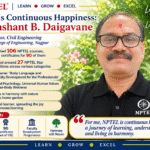
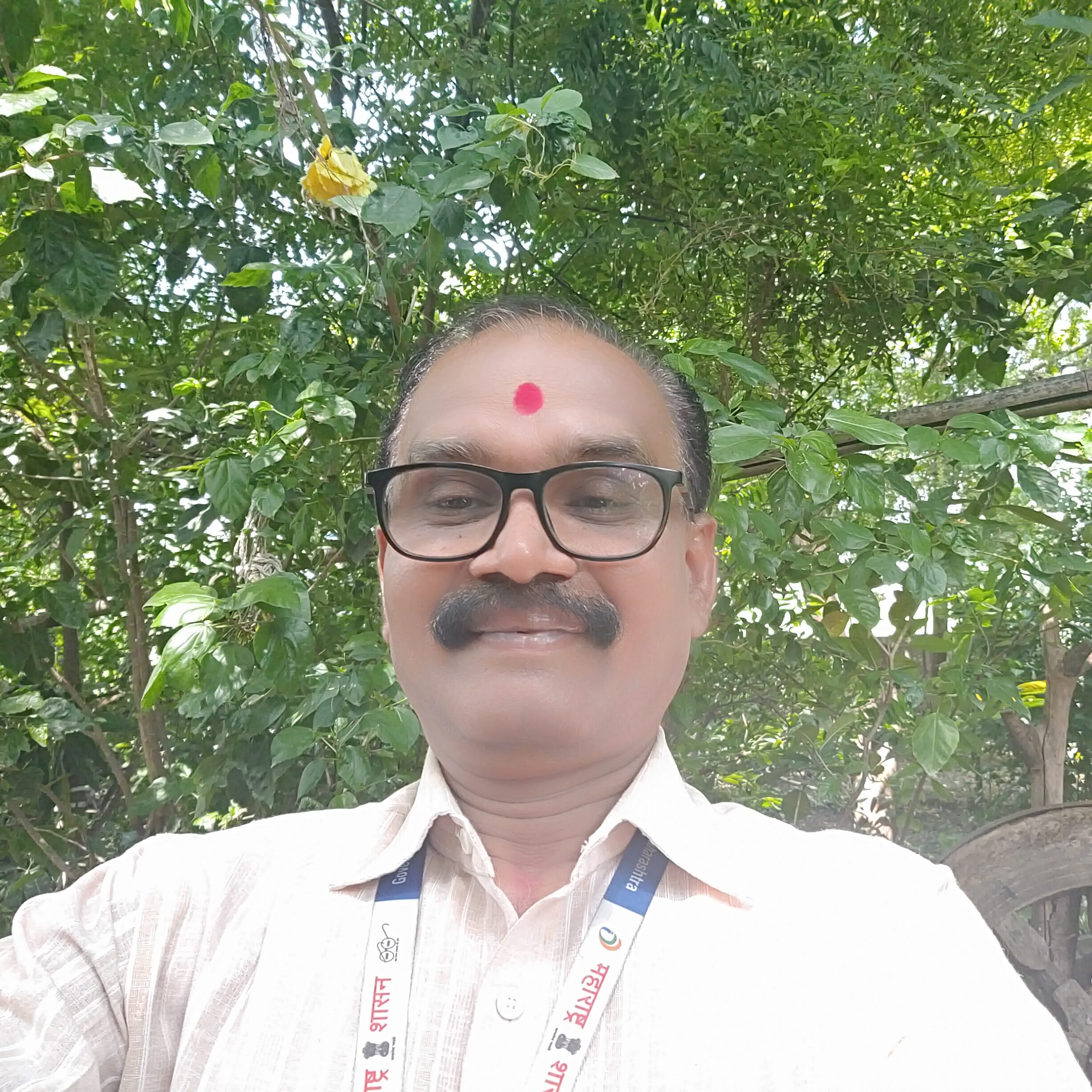
For Dr. Prashant Bhauraoji Daigavane, happiness is not tied to a particular achievement or a stage of life. It comes from continuous learning, , understanding oneself, and living in harmony with the world around us. Sitting in the garden he has developed at home, he speaks about solidarity with nature and the importance of psychology.
He has a phrase for what NPTEL has come to mean to him: “continuous happiness.”
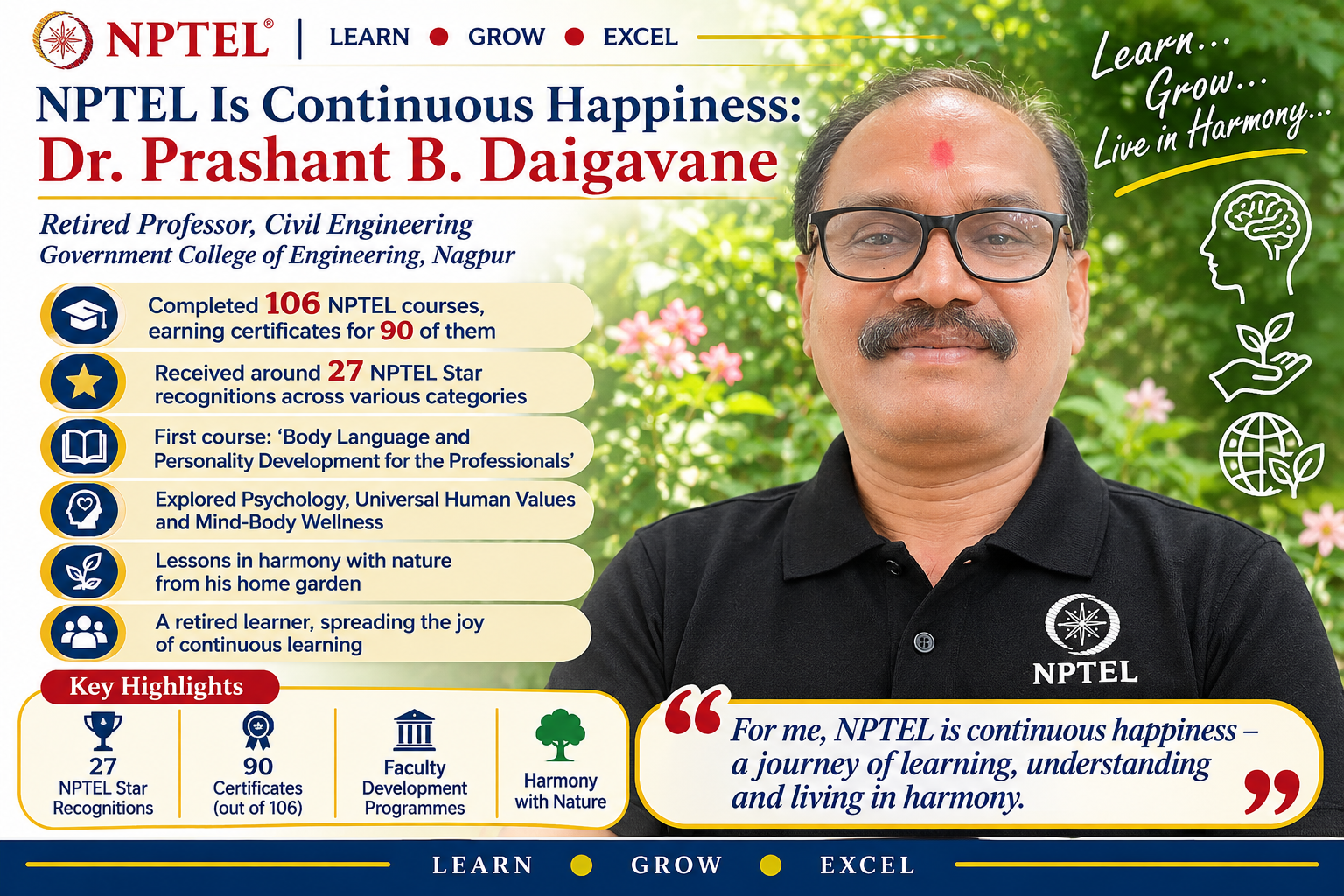
A retired professor of Civil Engineering from Government College of Engineering, Nagpur, Dr. Daigavane spent 38 years as a teacher, serving in different capacities, including lecturer, assistant professor, professor, and dean. He completed his doctorate in Foundation Engineering from VNIT Nagpur in 1999 and retired from government service last year. Retirement, however, has not brought his learning to a pause. He continues to pursue NPTEL courses and describes himself as a “retired learner.”
His association with NPTEL began during the pandemic in 2021, through colleagues. Until then, he had little familiarity with online learning platforms and found the technology somewhat intimidating. In fact, a friend initially helped him complete assignments for his first set of courses. But when the examination registration deadline arrived, the fee had not been submitted in time. Despite having completed the assignments and being eager to earn the certificates, he missed the opportunity.
Rather than letting that experience discourage him, he made a promise to himself. If he had initially planned to take four courses, he would return and attempt all six available courses. He began registering for multiple courses in subsequent semesters, gradually increasing the number he took at a time.
He has now completed 106 courses, earning certificates in 90 of them, and has set himself the next target of crossing 100 certified courses.
He has also received around 27 NPTEL Star recognitions across different categories.
His first course was ‘Body Language and Personality Development for the Professionals’. Although his academic background was in Civil Engineering, he soon discovered that his interests extended well beyond his discipline. Psychology, in particular, became one of his favourite areas of study. Courses such as ‘Sustainable Happiness’, ‘Psychology of Language’, ‘Human Behaviour’, ‘Brain and Mind’, and ‘Mind, Body and Wellness’ gave him opportunities to explore how people think, behave and make decisions. He also developed a strong interest in Universal Human Values, a subject he connects with harmony at four levels: within oneself, in the family, in society, and with nature.
For Dr. Daigavane, these are not merely academic ideas. He relates them to the way he understands everyday life. While explaining his interest in harmony with nature, he points to the garden he has developed around his home. He believes that happiness cannot be measured simply through money, professional position or material achievements. It comes from a sense of harmony and the ability to sustain that feeling through one’s everyday choices. This is also why he continues to spend his own money on NPTEL courses, even after retirement. The value, for him, lies in the knowledge and understanding he gains. His approach to learning is equally clear. He encourages learners not to choose courses merely to secure high marks or become toppers, but to select subjects that genuinely interest them. He believes that once a person makes a firm decision, the challenges of balancing learning with other responsibilities become manageable. Over the years, NPTEL has also brought him opportunities to participate in faculty development programmes and visit IIT campuses for recognition. He has completed several courses under the Faculty Development Programme domain, which contributed to his professional development during his teaching career.
Yet, when asked what matters most about his journey, he returns to something beyond certificates and awards – the hope that his participation will encourage others to take up courses and discover interests they may not have explored otherwise. He sees learning as something that can extend beyond individual achievement, influencing students, colleagues and the wider academic community.
~written by Sania KJ